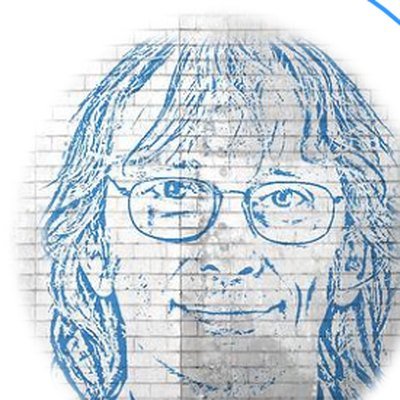
 Problems are soluble
David Deutsch
Physicist, University of Oxford
Pioneer of quantum computing. In The Beginning of Infinity he argues that good explanations let us solve problem after problem, without limit.
Scientists, inventors and thinkers, past and present, who looked at hard problems and saw solutions. Not blind hope: reason, evidence and action.
Eight voices shaping the future.
Problems are solublePhysicist, University of Oxford
Pioneer of quantum computing. In The Beginning of Infinity he argues that good explanations let us solve problem after problem, without limit.
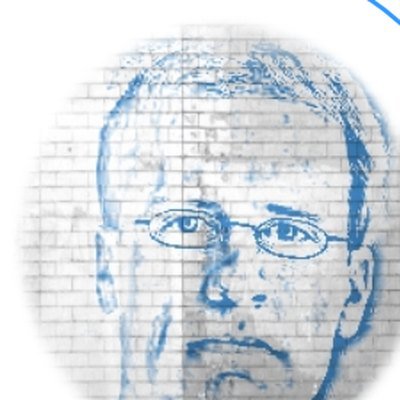 Long-term thinking
Philosopher
Co-founded the World Transhumanist Association and led Oxford's Future of Humanity Institute. He asks how technology can give us better minds, bodies and lives, and how to keep it safe.
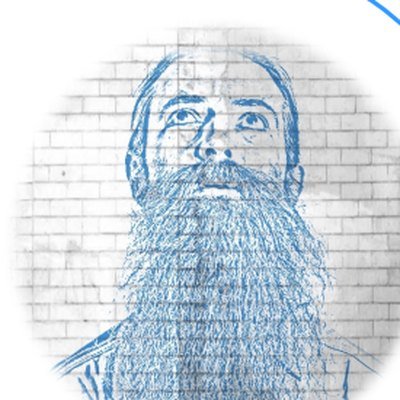 Ageing is solvable
Biogerontologist
Co-founded the SENS Research Foundation and now leads the LEV Foundation. He sees ageing as a medical problem that science can learn to treat.
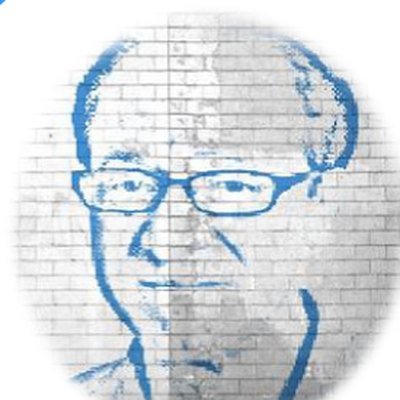 Exponential thinking
Inventor and futurist
Pioneer of speech recognition and reading machines, now at Google. Author of The Singularity Is Nearer (2024) on how AI will extend what humans can do.
 Awe as fuel
Filmmaker and host
Host of NatGeo's Brain Games and creator of Shots of Awe. A self-described wonder junkie who makes short films about the awe of ideas.
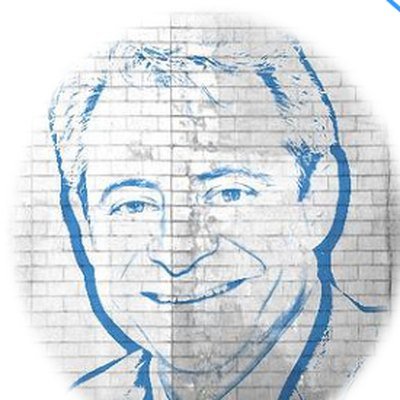 Abundance
Engineer, physician, entrepreneur
Founder of the XPRIZE Foundation and co-founder of Singularity University. Co-author of Abundance: The Future Is Better Than You Think.
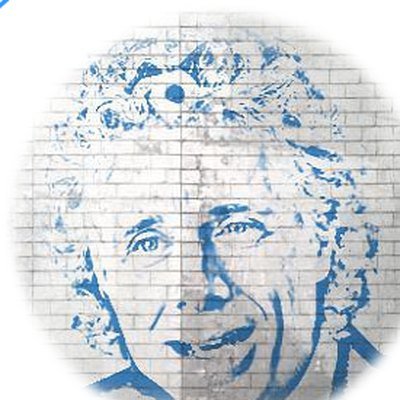 Reason and progress
Psychologist, Harvard University
Showed in The Better Angels of Our Nature and Enlightenment Now that violence has fallen and well-being has risen over the long run.
 Moonshots
Engineer and entrepreneur
Leads SpaceX and Tesla. Reusable rockets cut the cost of reaching space, and his stated goal is to make humans a multi-planet species.
2,300 years of believing we can do better.
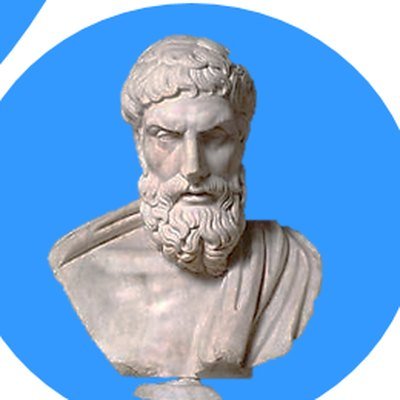
Taught that philosophy can free us from fear and show us how to find happiness in almost any situation.
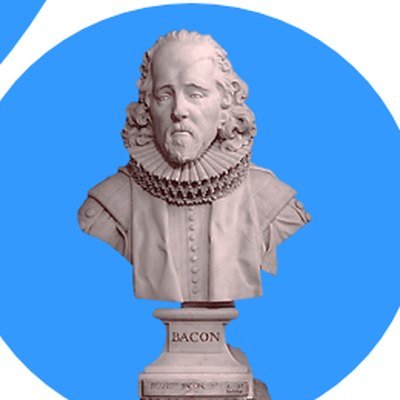
An early voice of the scientific method. He would not accept that our ignorance was fixed: knowledge could grow, and lives with it.
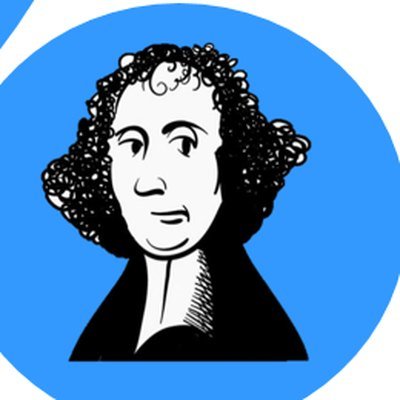
Believed the human mind could come to know nature and its deepest secrets with clarity and certainty.
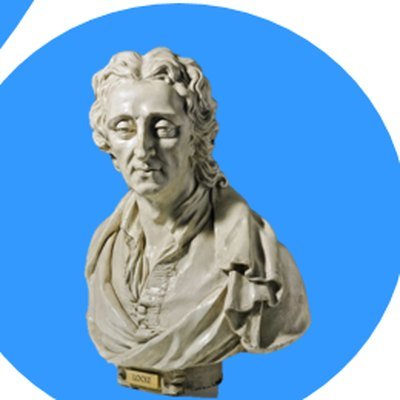
Argued for people's basic good nature, government by consent, and human rights.
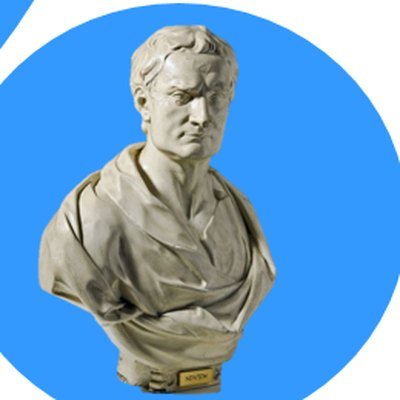
Showed that the laws of nature can be understood by the human mind, the founding optimism of modern science.
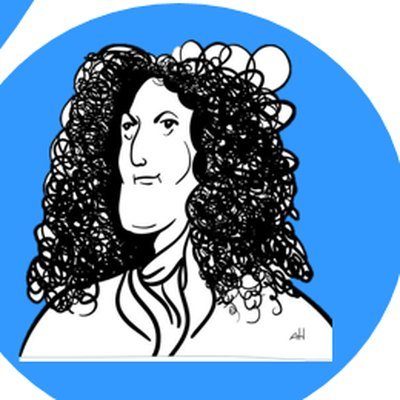
Polymath who invented calculus alongside Newton, and spent his life on the improvement of humankind.
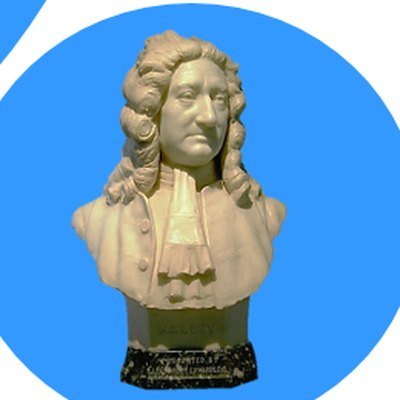
Astronomer who used Newton's laws to predict the return of the comet that bears his name, and was proved right.
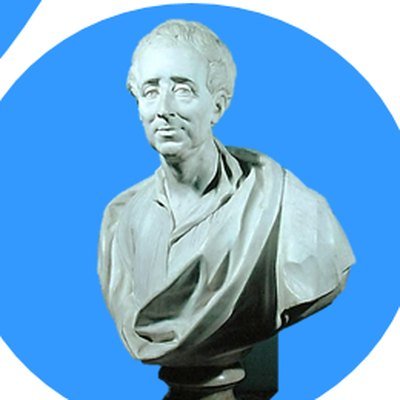
A founder of social science who argued for the separation of powers that protects freedom today.
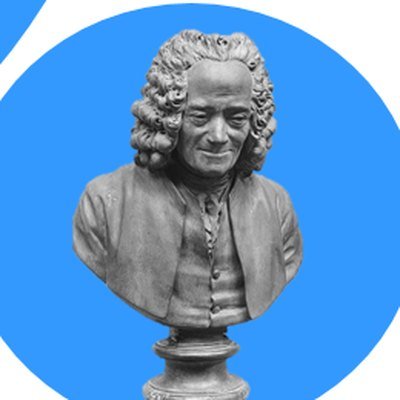
Mocked blind optimism in Candide. Intelligent optimism takes his point: hope must face the facts.
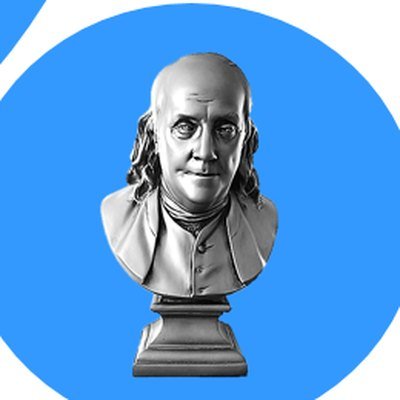
Printer, scientist, inventor and diplomat. Tamed lightning with the lightning rod and believed in useful knowledge for all.
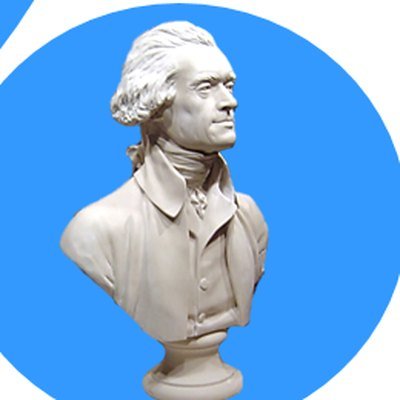
Wrote the Declaration of Independence and believed ordinary citizens, once educated, could choose their own futures.
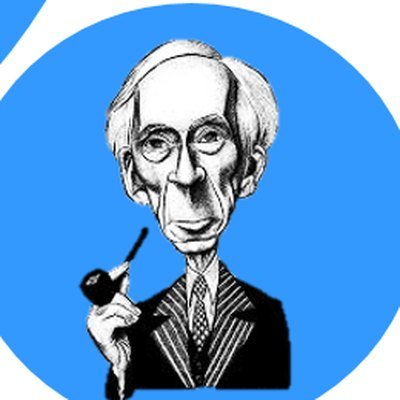
Philosopher, mathematician and Nobel laureate, optimistic about reason, science and human goodness.
The habits behind the optimism.
From Newton to Pinker, they test ideas against the world and change their minds when the facts say so.
Disease, poverty, ageing, distance: each was once "just how things are". They refused to accept that.
Calculus, the lightning rod, rockets, prizes, schools. Optimism that turns into something you can use.
Tell us about an intelligent optimist who inspires you.